
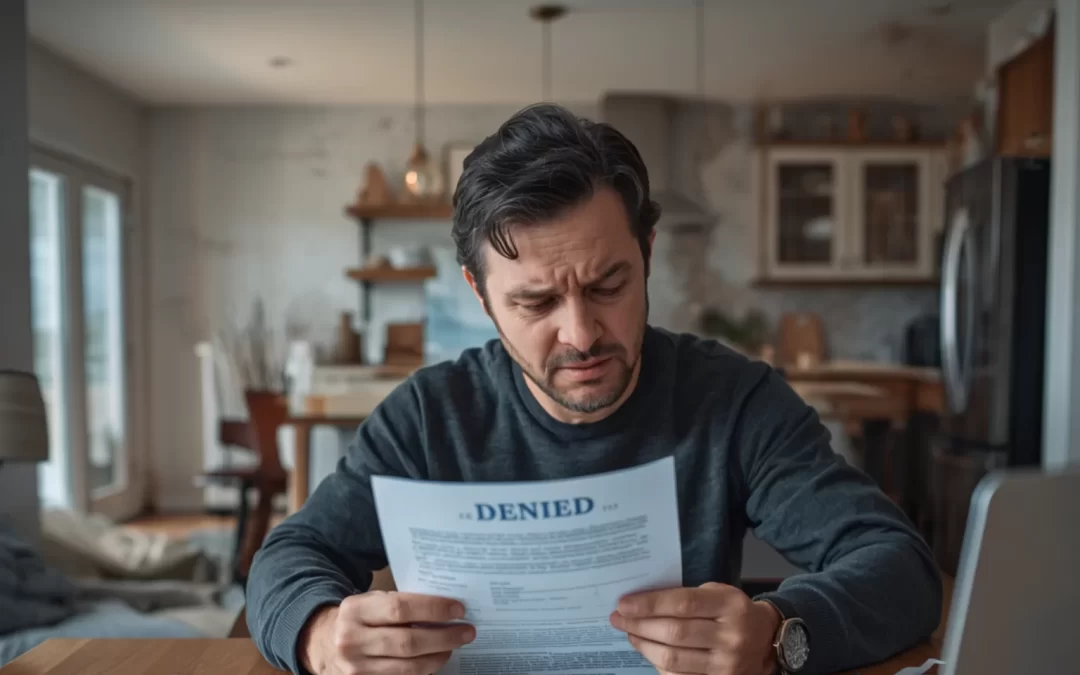
An insurance claim denial can create immediate financial and procedural pressure, especially when policyholders are already dealing with property damage, medical expenses, lost income, or liability concerns. While some denials result from incomplete documentation or policy limitations, others develop from disputes over coverage interpretation, valuation, causation, or claim timing.
After an insurance claim is denied, the most important next steps typically involve reviewing the denial explanation carefully, preserving documentation, gathering supporting evidence, and understanding the insurer’s appeal or dispute process before accepting the outcome. Many denied claims are not necessarily final decisions, particularly when additional records, expert evaluations, or clarification of policy terms become part of the review process.
Table of Contents
- Why Insurance Claims Get Denied
- How to Review the Denial Letter Carefully
- What Evidence Strengthens an Appeal
- How the Insurance Appeal Process Usually Works
- When Claim Disputes Become More Serious
- Understanding Potential Bad Faith Insurance Issues
- Common Mistakes After a Claim Denial
- When Speaking With an Attorney May Be Helpful
- FAQ
- Key Takeaways for Policyholders
Why Insurance Claims Get Denied
Insurance claims can be denied for many different reasons, and not all denials involve the same level of dispute. Some claims are rejected because required documentation is missing, while others involve disagreements about policy language, coverage exclusions, or the cause of the loss itself.
Common reasons for denial include:
- Policy exclusions that limit coverage for the specific loss
- Missed reporting deadlines or incomplete claim documentation
- Disputes over whether damage was sudden or pre-existing
- Questions about liability or fault
- Insufficient medical or repair evidence supporting the claim
- Lapsed coverage or payment issues
In many cases, policyholders initially assume a denial means the insurer determined the claim lacks merit entirely. In practice, some denials are tied more closely to documentation gaps, conflicting evaluations, or unresolved factual questions than to outright rejection of the underlying event.
How to Review the Denial Letter Carefully
The denial letter is often the most important document in the early stages of a dispute because it explains the insurer’s stated reasoning for rejecting all or part of the claim.
Key areas to review include:
- The exact policy provisions cited in the denial
- Deadlines for appeals or supplemental submissions
- Whether the denial applies to the entire claim or only certain damages
- Requests for additional information or documentation
- References to inspections, adjuster findings, or expert evaluations
Many policyholders focus primarily on the denial itself while overlooking procedural deadlines or documentation requirements contained in the explanation. Missing these deadlines can make later disputes substantially harder to resolve.
It is also important to distinguish between a fully denied claim and a partially denied or underpaid claim, since disputes over repair scope, treatment necessity, or valuation are often handled differently than complete coverage denials.
What Evidence Strengthens an Appeal
Appeals and claim disputes are often decided by documentation quality rather than verbal disagreement alone. The stronger and more organized the supporting evidence becomes, the easier it is to challenge inconsistencies or gaps in the insurer’s position.
Depending on the type of claim, useful evidence may include:
- Photographs or video documenting damage or injuries
- Medical records and physician opinions
- Repair estimates or contractor evaluations
- Independent inspections or engineering reports
- Receipts, invoices, or proof of ownership
- Written communication with adjusters or representatives
One of the most common problems after a denial is assuming the insurer already has all relevant information. In reality, appeals often succeed because additional documentation clarifies issues that were disputed or incomplete during the original review.
How the Insurance Appeal Process Usually Works
The appeals process varies depending on the type of insurance involved, but most insurers have internal review procedures that allow policyholders to challenge denied claims.
Typical steps may include:
- Submitting a written appeal or reconsideration request
- Providing supplemental evidence or expert opinions
- Requesting clarification of policy interpretation
- Participating in additional inspections or evaluations
- Escalating the dispute to supervisors, review departments, or outside regulators
Some disputes resolve relatively quickly after missing documentation is provided, while others become more complex when policy interpretation, valuation disagreements, or conflicting expert opinions remain unresolved.
As disputes continue, the focus often shifts from the original loss itself to whether the insurer’s evaluation process was reasonable, complete, and consistent with the policy language.
When Claim Disputes Become More Serious
Not every denial develops into a prolonged dispute, but certain factors tend to increase both complexity and financial stakes.
More serious disputes commonly involve:
- Large property losses or severe injuries
- Disagreements over causation or policy exclusions
- Claims involving long-term treatment or disability
- Repeated delays in communication or investigation
- Significant differences between insurer and independent valuations
For many policyholders, this is the stage where the process begins to feel substantially different from the straightforward claims experience they expected when coverage was purchased.
Once multiple inspections, expert reviews, or extended delays become involved, documentation strategy and procedural timing often become just as important as the underlying claim itself.
Understanding Potential Bad Faith Insurance Issues
Insurance companies are generally required to investigate and evaluate claims in good faith under applicable state laws and policy obligations. However, not every denied claim automatically qualifies as bad faith.
Potential bad faith concerns may arise when insurers:
- Fail to investigate claims reasonably
- Misrepresent policy provisions or coverage terms
- Delay communication without justification
- Deny claims without adequate explanation
- Ignore supporting evidence during evaluation
At the same time, insurers are permitted to dispute claims when legitimate factual or policy disagreements exist. The distinction between a valid coverage dispute and improper claim handling often depends on the details of the investigation, communication history, and policy interpretation involved.
Common Mistakes After a Claim Denial
Many policyholders unintentionally weaken their position after a denial by reacting too quickly or failing to preserve documentation.
Common mistakes include:
- Accepting the denial without reviewing policy language carefully
- Missing appeal deadlines or response requests
- Discarding damaged property before documentation is complete
- Relying only on verbal communication with adjusters
- Failing to organize records, estimates, or correspondence
Another common issue is waiting too long to challenge disputed findings. As time passes, obtaining records, inspections, photographs, or witness information may become more difficult.
When Speaking With an Attorney May Be Helpful
Not every denied insurance claim requires legal action, but legal guidance often becomes more valuable when the dispute involves substantial financial loss, complicated policy language, or ongoing delays.
Situations where legal review may be helpful include:
- Large denied property or injury claims
- Disputes involving policy exclusions or interpretation
- Repeated delays without clear explanation
- Claims involving extensive repair or medical costs
- Potential bad faith handling concerns
In many claim disputes, legal involvement changes not only negotiation strategy but also how evidence, policy interpretation, and procedural obligations are presented during the dispute process.
FAQ
Can a denied insurance claim be appealed?
Yes. Many insurers have internal appeal or reconsideration procedures that allow policyholders to submit additional evidence or challenge disputed findings.
Does a denial mean the claim is permanently closed?
Not always. Some denials are based on documentation gaps, valuation disagreements, or unresolved factual questions that may still be challenged.
What is the most important document after a denial?
The denial letter is often critical because it explains the insurer’s stated reasoning, policy references, and appeal deadlines.
What evidence helps support an insurance appeal?
Photographs, medical records, repair estimates, expert evaluations, and written communication records are commonly important.
When does an insurance denial become a legal issue?
Legal concerns often become more significant when disputes involve large financial losses, repeated delays, policy interpretation conflicts, or possible bad faith conduct.
Key Takeaways for Policyholders
An insurance claim denial does not always represent the final outcome of a dispute. In many cases, the strength of the appeal process depends on how thoroughly policyholders review the denial explanation, preserve supporting documentation, and respond to procedural requirements.
While some denials stem from straightforward policy limitations, others develop from disagreements involving valuation, causation, treatment needs, or interpretation of coverage terms. As disputes become more complex, evidence quality, communication history, and procedural timing often play a major role in determining how the claim progresses.
For policyholders facing denied or underpaid claims, understanding how appeals, documentation, and insurer review processes function is often critical to protecting both financial interests and long-term claim outcomes.